What Is The Asian Diet Pyramid?

Printer-friendly versionSend to friend

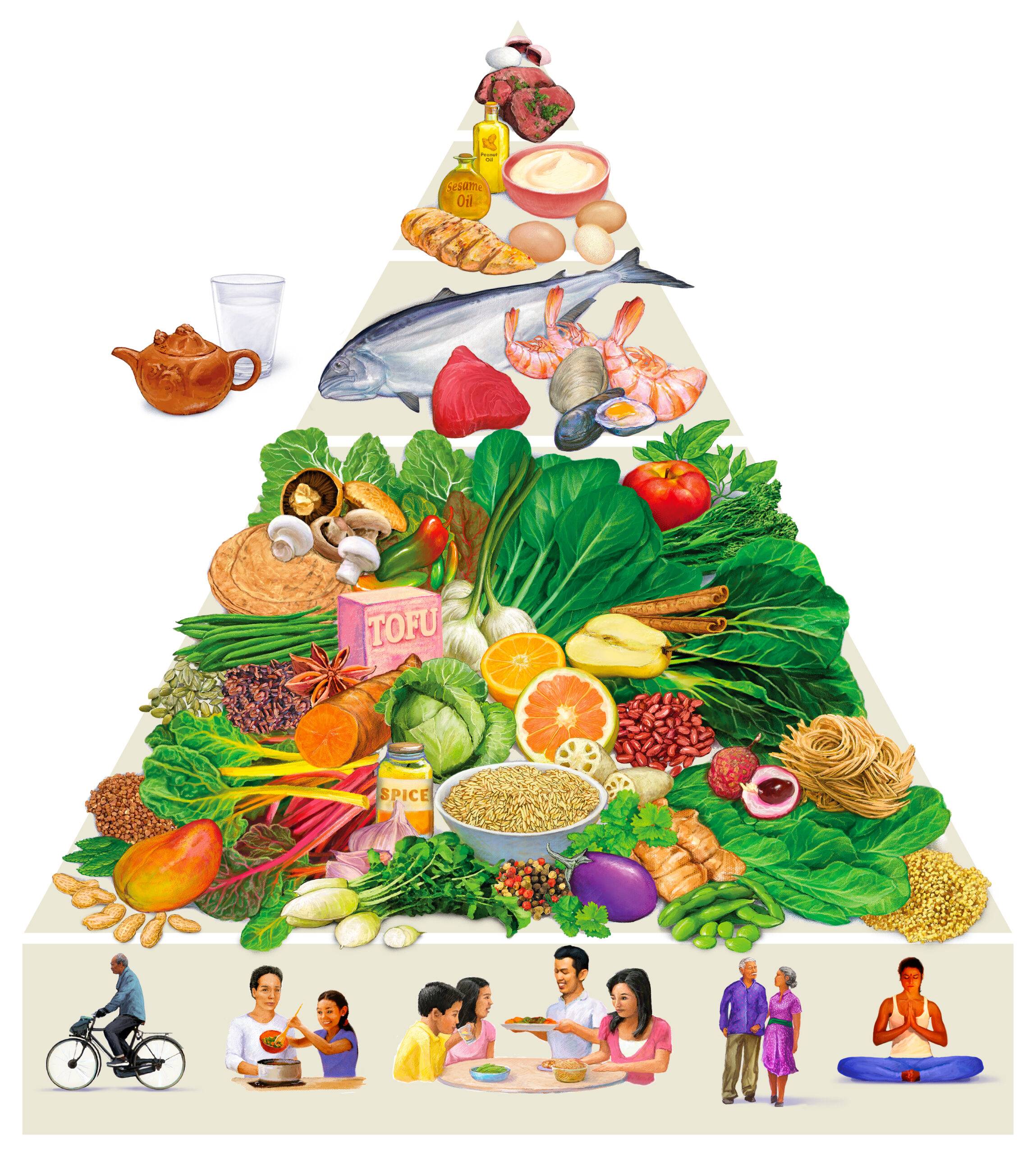
This pyramid, the second in the series of traditional diet pyramids, was developed by Oldways in conjunction with the Cornell-China-Oxford Project on Nutrition, Health and Environment, and the Harvard School of Public Health. It was released at the International Conference on the Diets of Asia in San Francisco in 1995.

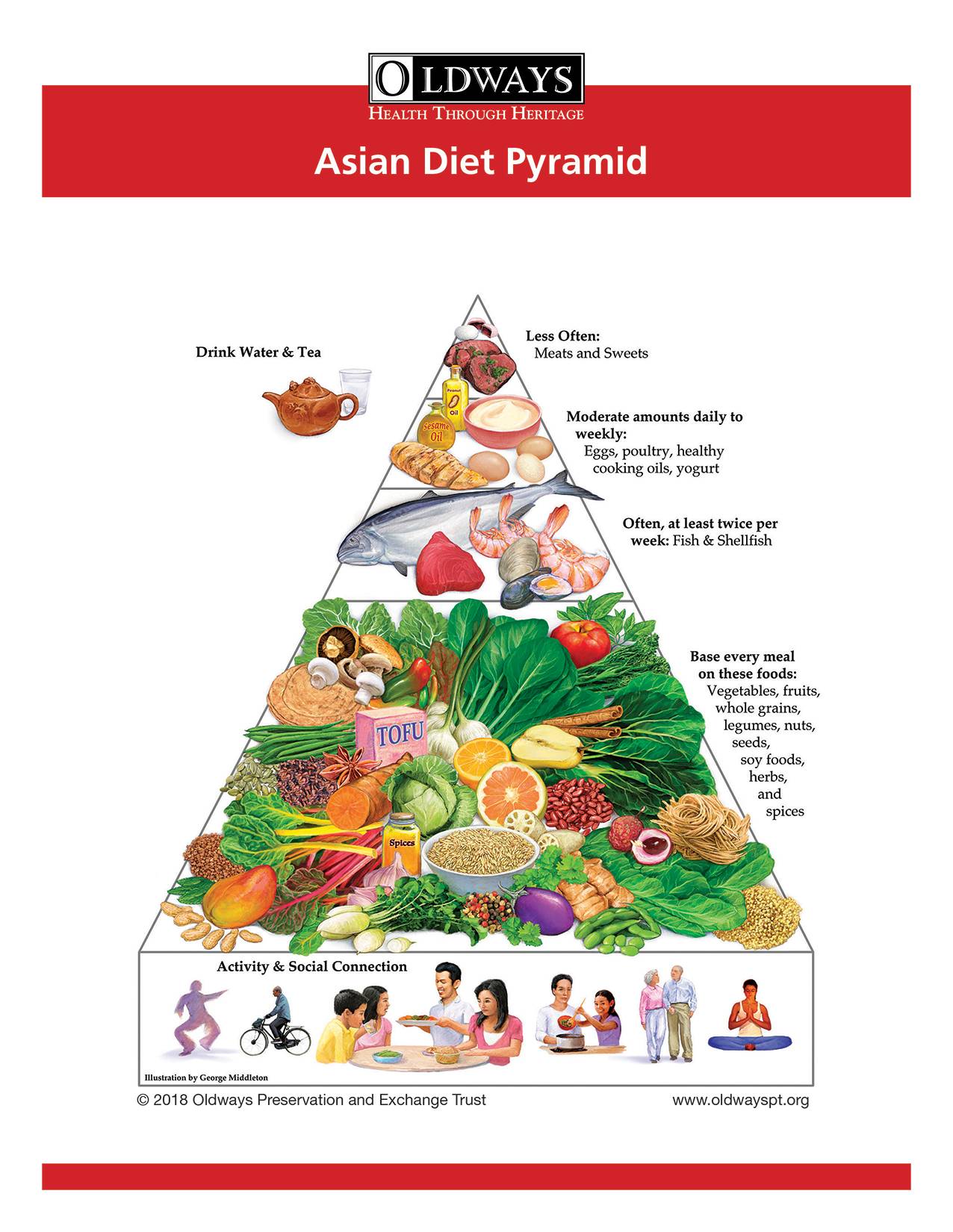
The Asian Diet Pyramid illustrates the Traditional Asian Diet. Like the Mediterranean Diet Pyramid, this pyramid was developed as a model for healthy eating because of the historical low incidence of chronic diseases in a specific region – in this case, in Asian countries. The traditional diet in many Asian countries also is often closely tied to both religious practices and long-standing customs, and the record of these eating habits is an excellent source of information and culinary inspiration.

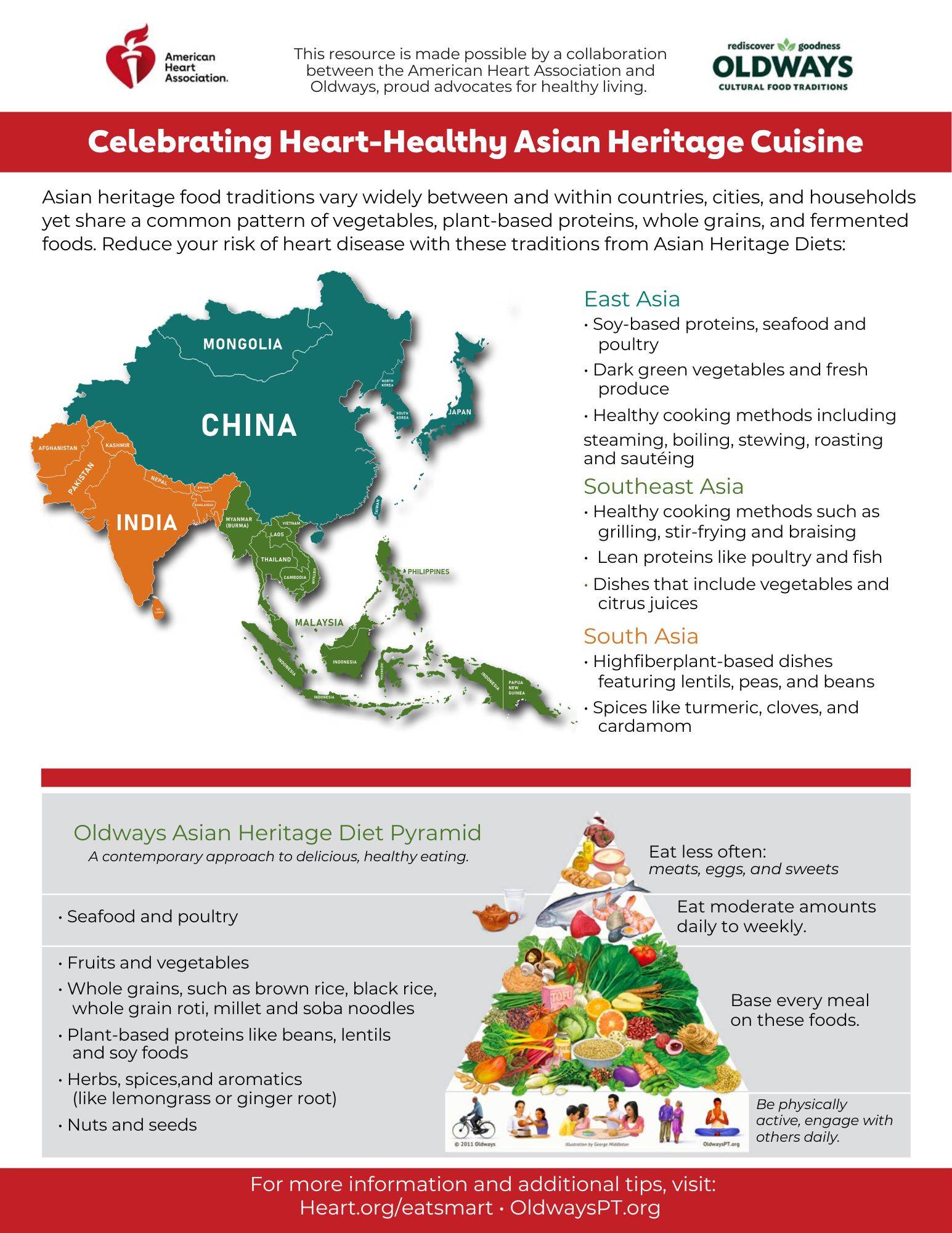
The Asian Diet’s geographical base is very broad. It includes (but is not limited to) Bangladesh, Cambodia, China, India, Indonesian, Japan, Laos, Malaysia, Mongolia, Myanmar, Nepal, North Korea, South Korea, Malaysia, Philippines, Singapore, Taiwan, Thailand, and Vietnam.

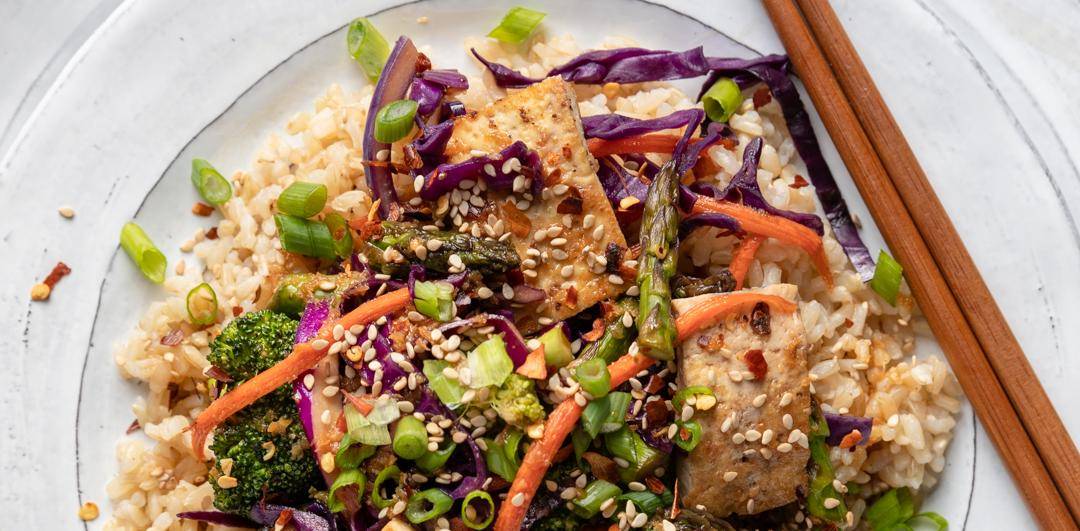
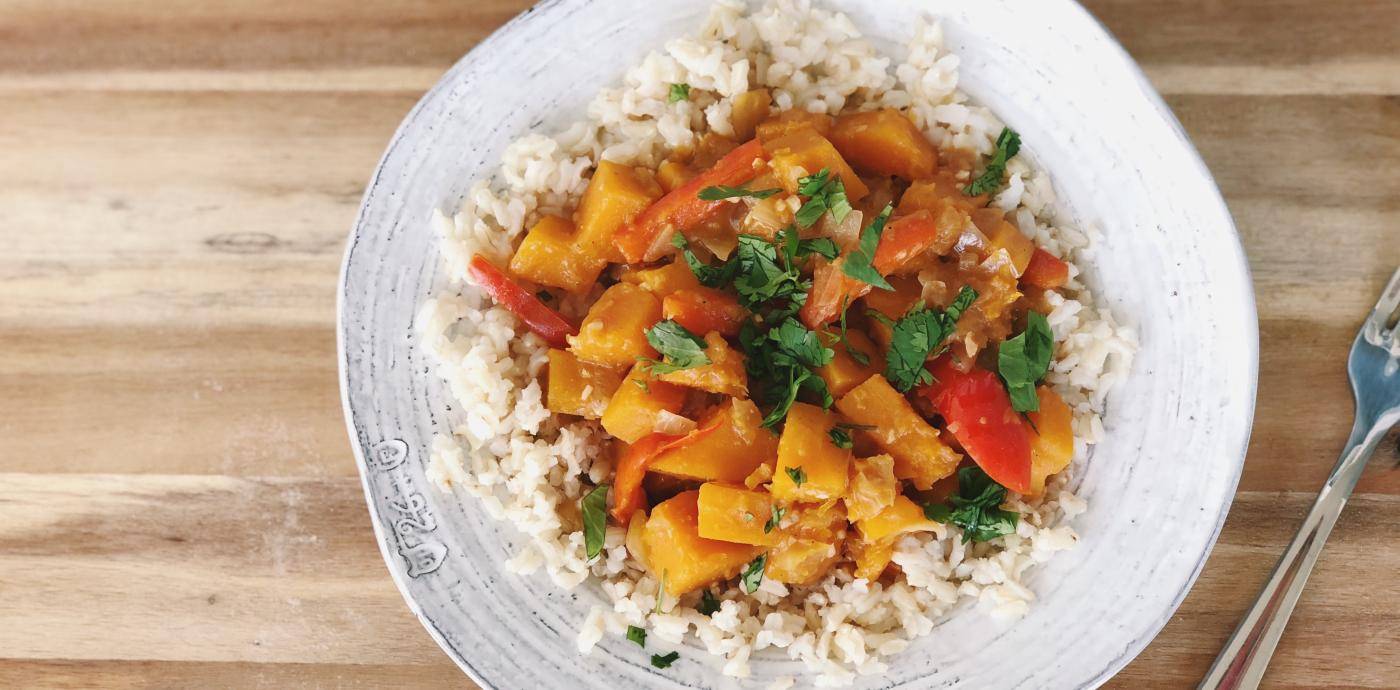
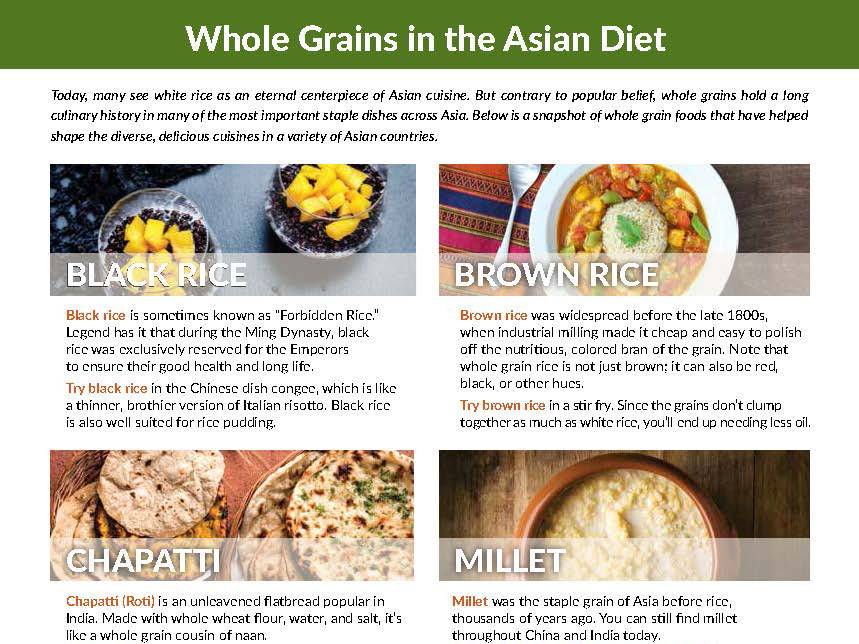
Although each Asian country and region has its distinct flavors and cooking styles, almost all share one food in common—rice, which is prepared and eaten somewhat differently from country to country. But as the staple food central to survival, especially during times of famine, rice has acquired an almost sacred status in Asian societies, and it is served in many ways. It is a significant part of each meal of the day; incorporated as a main ingredient in confections such as candy and cakes; fermented to make wine (Japanese sake) or beer; and traditionally offered to the gods to ensure a good harvest.

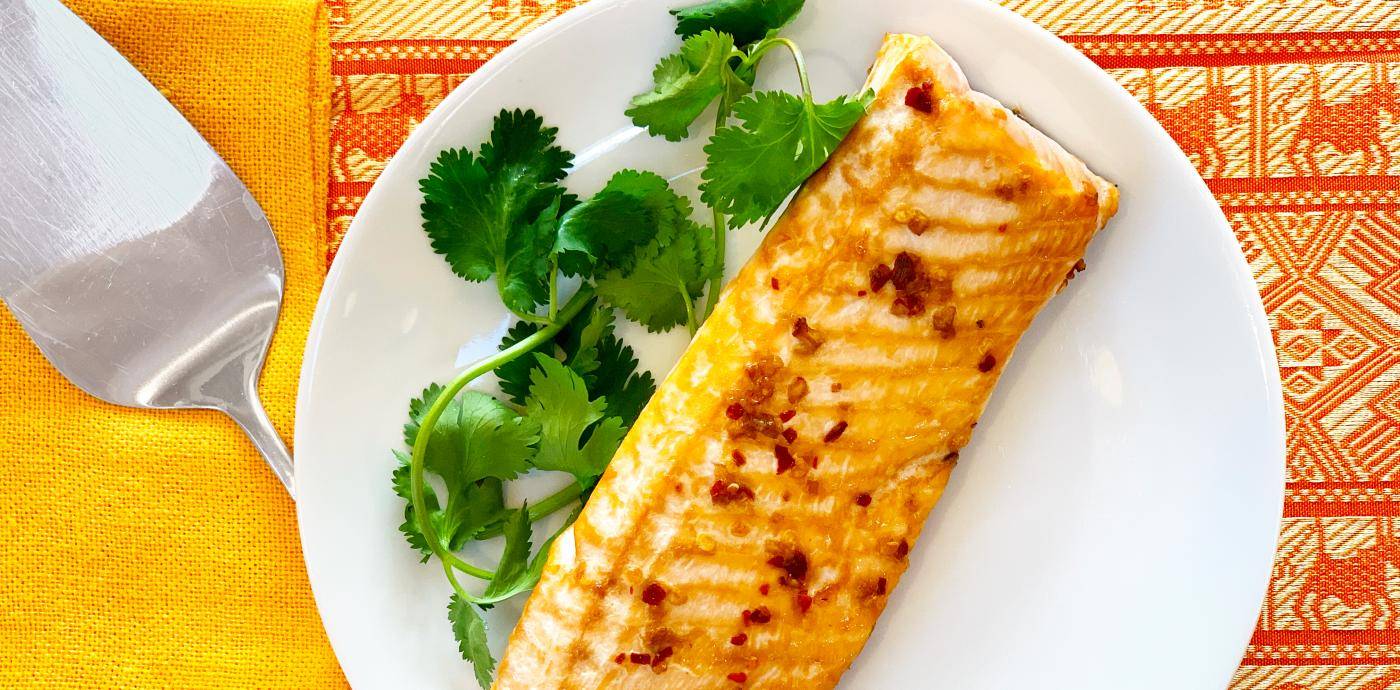
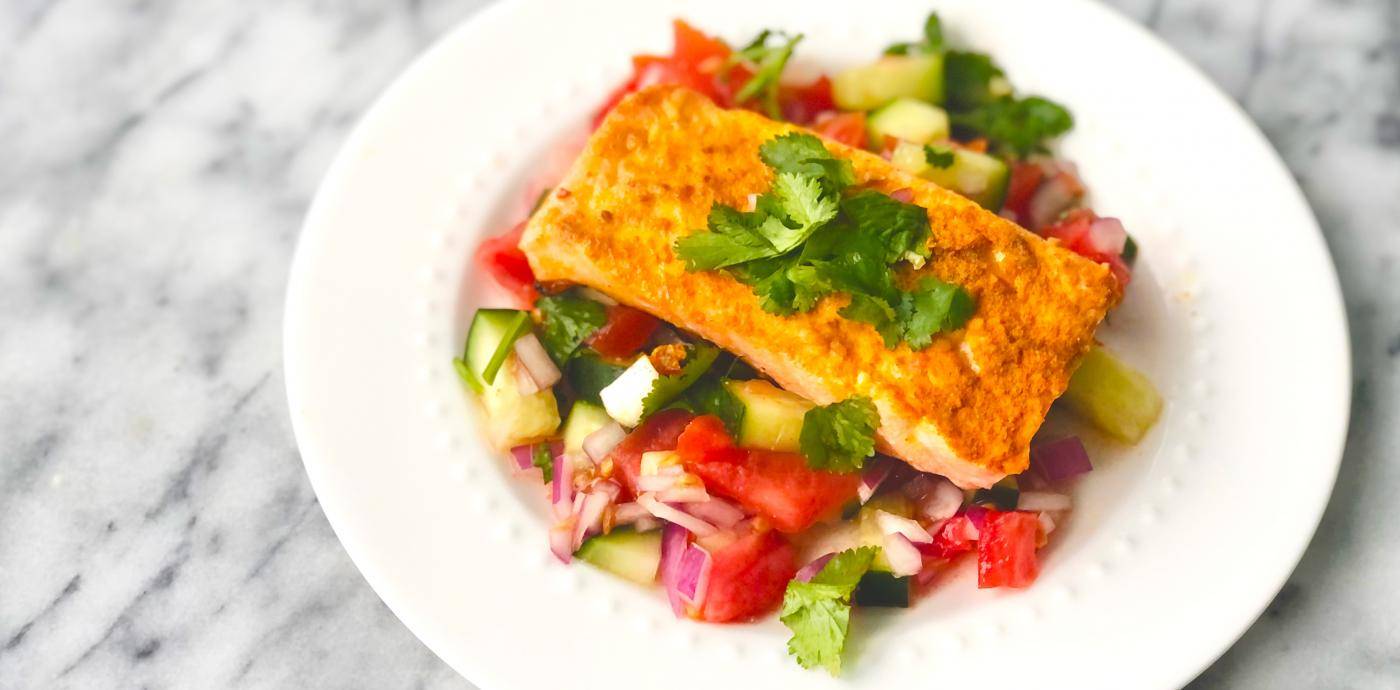
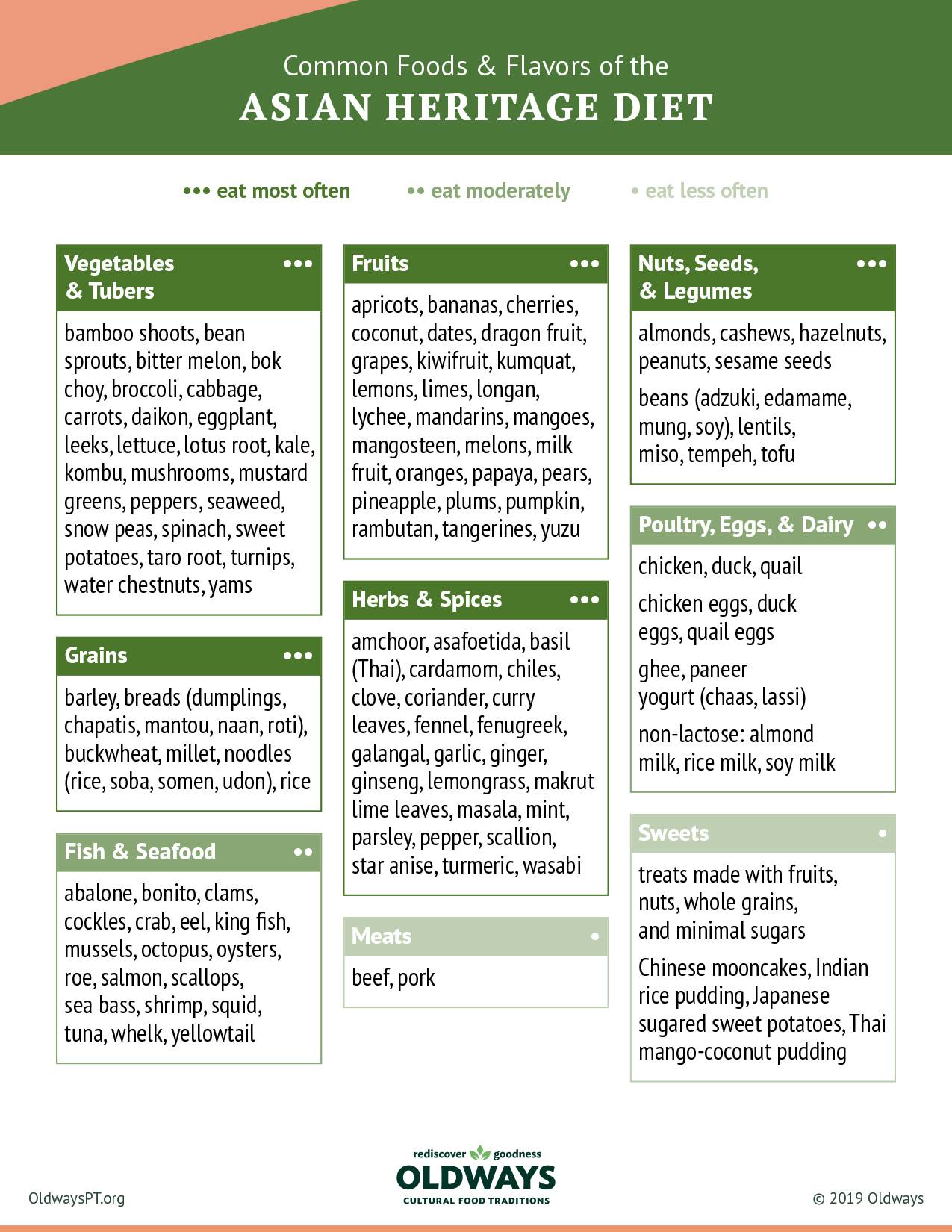
Other unifying characteristics of the traditional Asian diet are high consumption of plant foods, including vegetables, fruits, beans, legumes, nuts, and vegetable oil. Some regional variations of commonly eaten foods include dairy (in India) in the form of paneer, ghee, and lassi (see list below), and fish and seafood in the island nations or countries that have extensive coastlines.

Some Common and Uncommon Foods and Flavors of The Asian Diet Pyramid
Please click here to download a printer-friendly PDF

Licensing

Oldways welcomes requests for use of its Mediterranean, Vegetarian, Asian and Latin American Diet Pyramids,  EATWISE®, as well as other copyrighted material in publications, on packaging material and on websites.

Licensing Opportunities
It is Oldways' policy to require a Licensing Agreement and a small royalty fee for any commercial use of any of its copyrighted material. We will be pleased to discuss this kind of opportunity with you in greater detail.

Permissions
Permission to use any of Oldways copyrighted material may be granted on a case-by-case basis only after approval of a written request. Permissions for use in educational and non-commercial publications are usually granted free of charge. Oldways may require a small fee, and possibly a Licensing Agreement, for use in commercial publications, depending on the nature of the publication.

Requests for permissions must include the title of the publication, name of author, publisher, and expected cost and circulation, specifying which copyrighted material you request to use.

Please direct requests and inquiries to Birthe Creutz.